
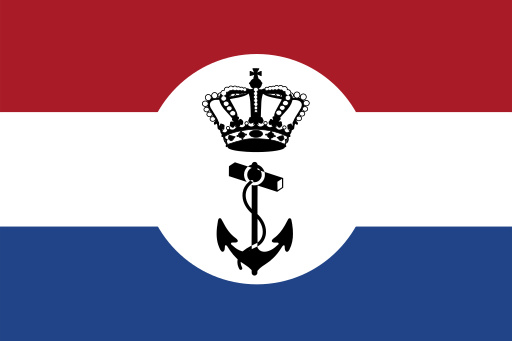
Reserve marine vlag
#9777 · netherlands
#0126 · national
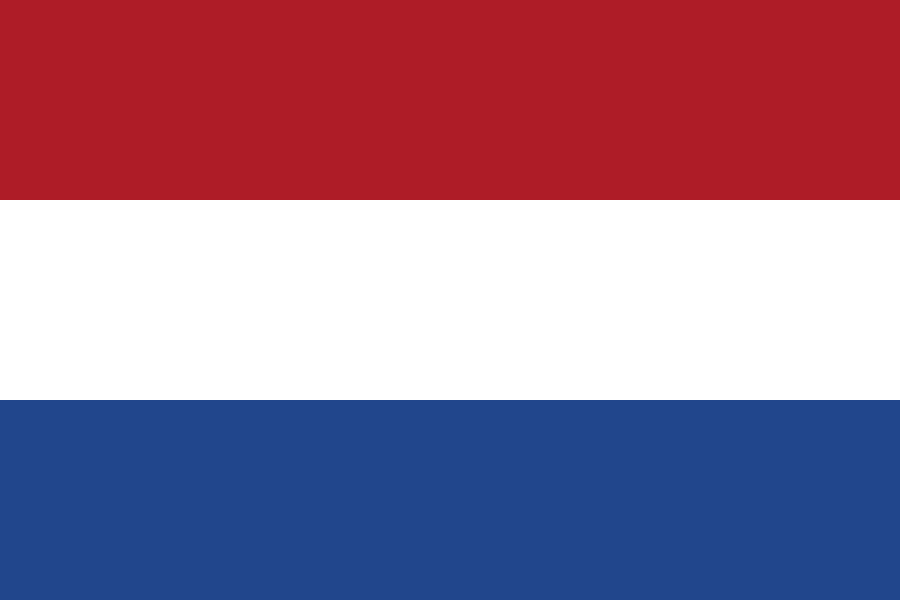
The national flag of the Netherlands is a horizontal tricolor of red, white, and blue.
The flag of the Netherlands is a red, white, and blue horizontal tricolour in a 2:3 proportion. It developed from the late 16th-century Prince's Flag of orange, white, and blue associated with William I of Orange during the Dutch Revolt. By the mid-17th century, red had replaced orange in the widely used Statenvlag, which became the naval ensign of the Dutch Republic. The design is regarded as the world's oldest continuously used tricolour. Red, white, and blue were adopted officially in 1796 by the Batavian Republic, reaffirmed by royal decree in 1937, and their exact shades were standardized in 1949. An orange pennant is sometimes flown with the flag on royal occasions in reference to its earlier orange heritage.
First reference to Dutch flag
The first reference to the Dutch flag describes its colours as orange, white, and blue.
First color depiction recorded
The earliest known full-colour depiction of the flag appeared in 1575.
Red replaced orange
The flag’s red-white-blue form developed as red replaced orange in the earlier tricolour.
Dutch maiden added
A Dutch maiden with a lion was added to the red band of a flag prepared for the navy.
Replaced by French standard
After annexation by France, the Dutch national flag was replaced by the French imperial standard.
Red, white, blue reaffirmed
A royal decree reaffirmed red, white, and blue as the colours of the Kingdom’s flag.
Exact colours defined
The Ministry of the Navy defined the flag’s colours as bright vermilion, white, and cobalt blue.
#9777 · netherlands
#14442 · the Netherlands

#14611 · netherlands
#14686 · Municipality
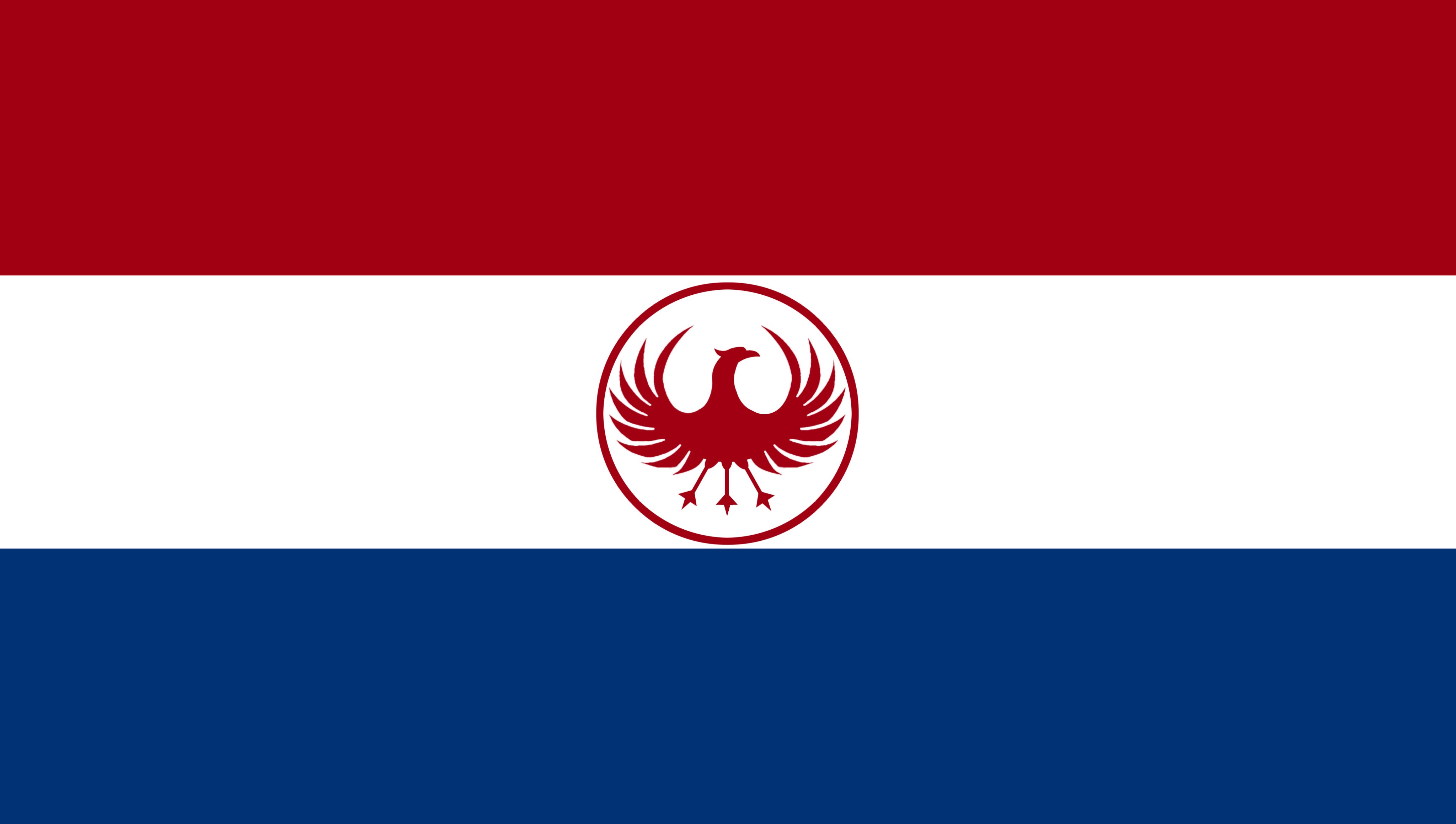
#14746 · separatist
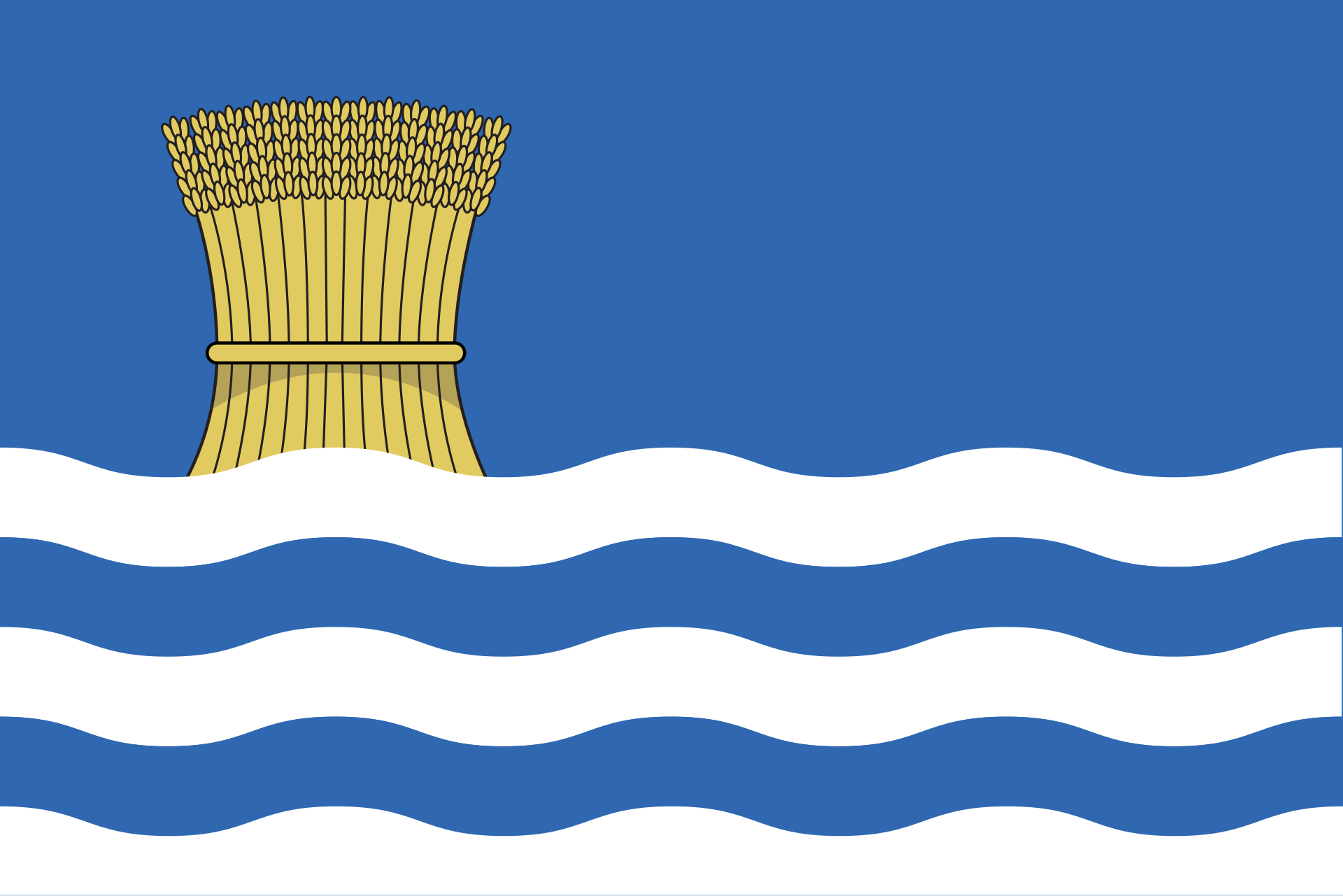
#14609 · Netherlands municipality
#0149

#0104